


Gjør som tusenvis av andre bokelskere
Abonner på vårt nyhetsbrev og få rabatter og inspirasjon til din neste leseopplevelse.
Ved å abonnere godtar du vår personvernerklæring.Du kan når som helst melde deg av våre nyhetsbrev.

The demand for electricity has never been higher and is growing rapidly. This book examines all of the main forms of electricity generation in terms of their ecological impacts and effects on climate change, arguing that the only way to minimise impacts will be to minimise our consumption and transmission.
Presented by senior researchers and from the fields of tourism and animal welfare, this is the first major text addressing the crossover of tourism and animal welfare. It includes contributions from major worldwide organisations.
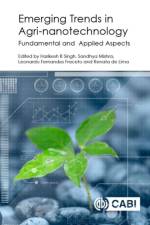
The science of nanotechnology - the manipulation, design and engineering of devices at the atomic and molecular scale - is starting to be applied to many disciplines including aspects of agriculture and crop science. This edited volume reviews the current state of knowledge and explores potential applications.
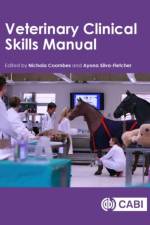
Down to earth and intensely practical, this book and video package describes in a step by step way the essential clinical skills that veterinary students need to acquire before they face clinical situations in the real world of the busy veterinary clinic.
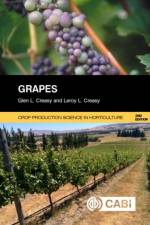
This informative text thoroughly covers the influence of the environment on grapevine health and productivity, and informs the reader on how grapes are grown and factors affecting grape quality.
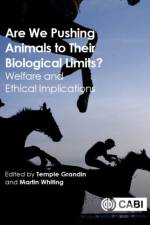
Stimulating and thought-provoking, this book looks at the welfare problems and philosophical and ethical issues that are caused by changes made to animals, both positive and negative, to make them more productive or adapted for human uses.
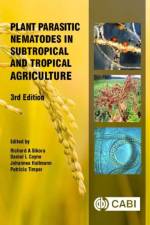
Fully revised and in full colour, this third edition reflects on the impact of nematodes on food security and climate change interactions and includes a new chapter on nematode soil biodiversity in health. It covers major food and cash crops and provides guidance on extraction methods, processing and diagnosis of plant and soil nematodes, and IPM.
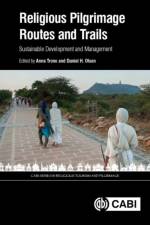
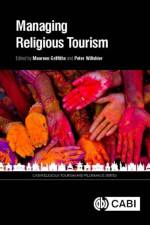
Today thousands travel to religious sites for worship, initiatory and leisure purposes. This book provides a holistic approach to the study of these journeys, with case studies drawn from around the world. It covers conceptual themes including local development, regional economic development, heritage identity and management and environment.
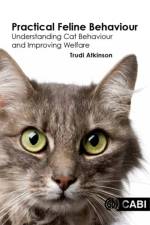
This approachable and down to earth text describes the internal and external influences on feline behaviour. It provides practical advice on how the welfare of cats in our care may be protected and how behaviour problems should be addressed as well as how to avoid them.
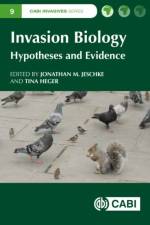
There are many hypotheses describing the interactions involved in biological invasions, but it is largely unknown whether they are backed up by empirical evidence. This book fills that gap by assessing research hypotheses and applying it to a number of invasion hypotheses, using the hierarchy-of-hypotheses (HoH) approach.
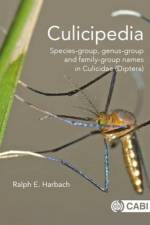
This volume is a comprehensive compilation of all scientific names introduced at all taxonomic levels within the culicid family, offering insight into the history of mosquito classification as well as providing a bibliographic reference source. It is ideal for students, entomologists and taxonomists interested in culicid nomenclature and etymology.
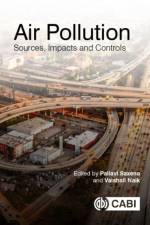
This book aims to provide a broad overview of the issues surrounding air pollution and how to control and monitor pollution levels. Beginning with a brief background on the subject, the book moves on to discuss global emissions, with an emphasis on megacities and their effects.
While the "Green Revolution" was a major success, many issues with food production and increasing population and climate change mean that countries such as India face major challenges. Paroda argues for choosing the best technologies and blending them with rich traditional knowledge to attain sustainable development goals.
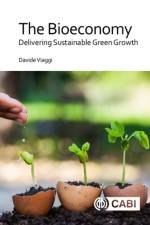
The "bioeconomy" is the idea of economic activity involving the sustainable exploitation of biological resources. This book illustrates state of the art perspectives in the development of the bioeconomy across the world, taking an economic and policy perspective, and identifies potential future pathways and issues.
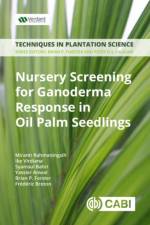
This is a hands-on, practical guide covering seedling screening for disease response in oil palm for pathology, breeding and genetics. Oil palm is the top oil crop in the world and Ganoderma is the most devastating disease of oil palm.
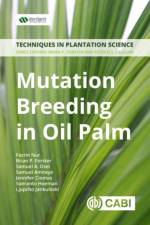
Oil palm is the top oil crop and the only major crop and only oil crop not to have been improved by plant mutation breeding. This manual is hands-on, providing step-by-step illustrated methods in a range of key activities in mutation induction, mutation detection and mutant line development in oil palm.
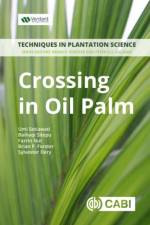
Oil palm is the world's most important oil crop. Crossing is essential in commercial seed production, breeding and genetic studies. This book, written by experts, illustrates crossing techniques to maximise success and safeguard purity, enabling the production of high quality seeds to grow-on as planting material and in breeding superior cultivars.
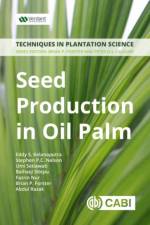
This is a practical guide to seed germination in oil palm for both breeding and genetic studies as well as commercial seed production. Oil palm is the top oil crop in the world and this manual provides step-by-step illustrated methods, written by practitioners actively engaged in oil palm seed production and breeding.
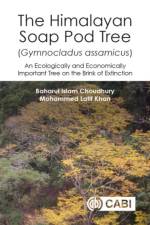
This book tells the story of a critically endangered tree species with a unique biological and socio-cultural importance. This is a unique case study showing an example of plant species conservation in action under difficult circumstances.
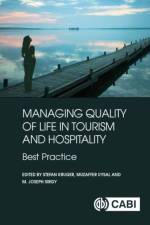
Quality-of-life in tourism and hospitality can be classified in three categories: (1) tourists/guests (2) employees of tourism/hospitality firms (3) tourist communities. This unique resource delivers the latest research findings within these areas to the forefront of knowledge application in tourism and hospitality settings.
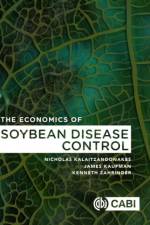
Although soybean is a major global crop, it suffers significant losses often because of an incomplete understanding of the extent of soybean diseases, and the feasibility and benefits of disease control. This book covers evidence on disease incidence and severity, management strategies and new technologies.
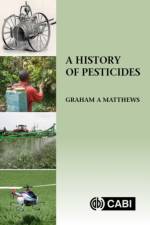
In this fascinating book, Professor Graham Matthews takes the reader through the history of the development and use of chemicals for control of pests, weeds, and vectors of disease and then discusses their future.
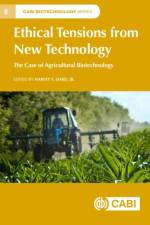
New technologies can create ethical tensions when there is a conflict of interests, values or rights. One of the key examples of such technology is agricultural biotechnology. This book explores the reasons for those tensions, and potential solutions.
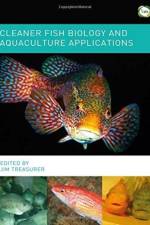
Cleaner Fish Biology and Aquaculture Applications reviews and presents new knowledge on the biology of the utilised cleaner fish species, and provides protocols in cleaner fish rearing, deployment, health and welfare.
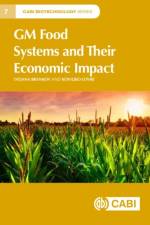
This book adopts a methodical approach to provide a novel exploration of the effects of GM crops on global economy, as well as examining the links between GM and food security at global and regional levels. The environmental implications of GM are also considered, by comparing pesticide use and efficiency in GM and non-GM countries.
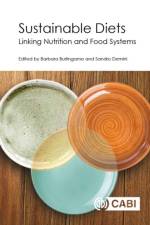
This book takes a transdisciplinary approach and considers multisectoral actions, integrating health, agriculture and environmental sector issues, to comprehensively explore the topic of sustainable diets. It informs readers with arguments, challenges, perspectives, policies, actions and solutions on this global topic.
This book provides a global view of the tools and resources used in demand and supply management in the context of pilgrimage and religious tourism. It uses a focus on toolkits and best-practice to reinforce quality of service provision, offer a reflection on consumers' perspectives and intentions to purchase, and support sustainable development.
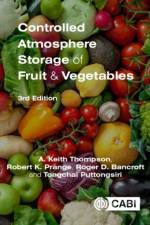
This new, full colour edition presents current research to provide a comprehensive and up-to-date overview of controlled and modified atmosphere, hyperbaric and hypobaric storage of fresh fruits and vegetables. It includes 5 new chapters covering genetics and CA storage, dynamic CA storage, hyperbaric storage, hypobaric storage and fruit ripening.
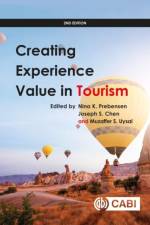
This new edition incorporates studies carried out since the first edition published, as well as including and expanding key areas such as stakeholder perspective and concretion, the role of the experience setting in creating experience, and the connection between co-creation and subjective wellbeing.
Abonner på vårt nyhetsbrev og få rabatter og inspirasjon til din neste leseopplevelse.
Ved å abonnere godtar du vår personvernerklæring.